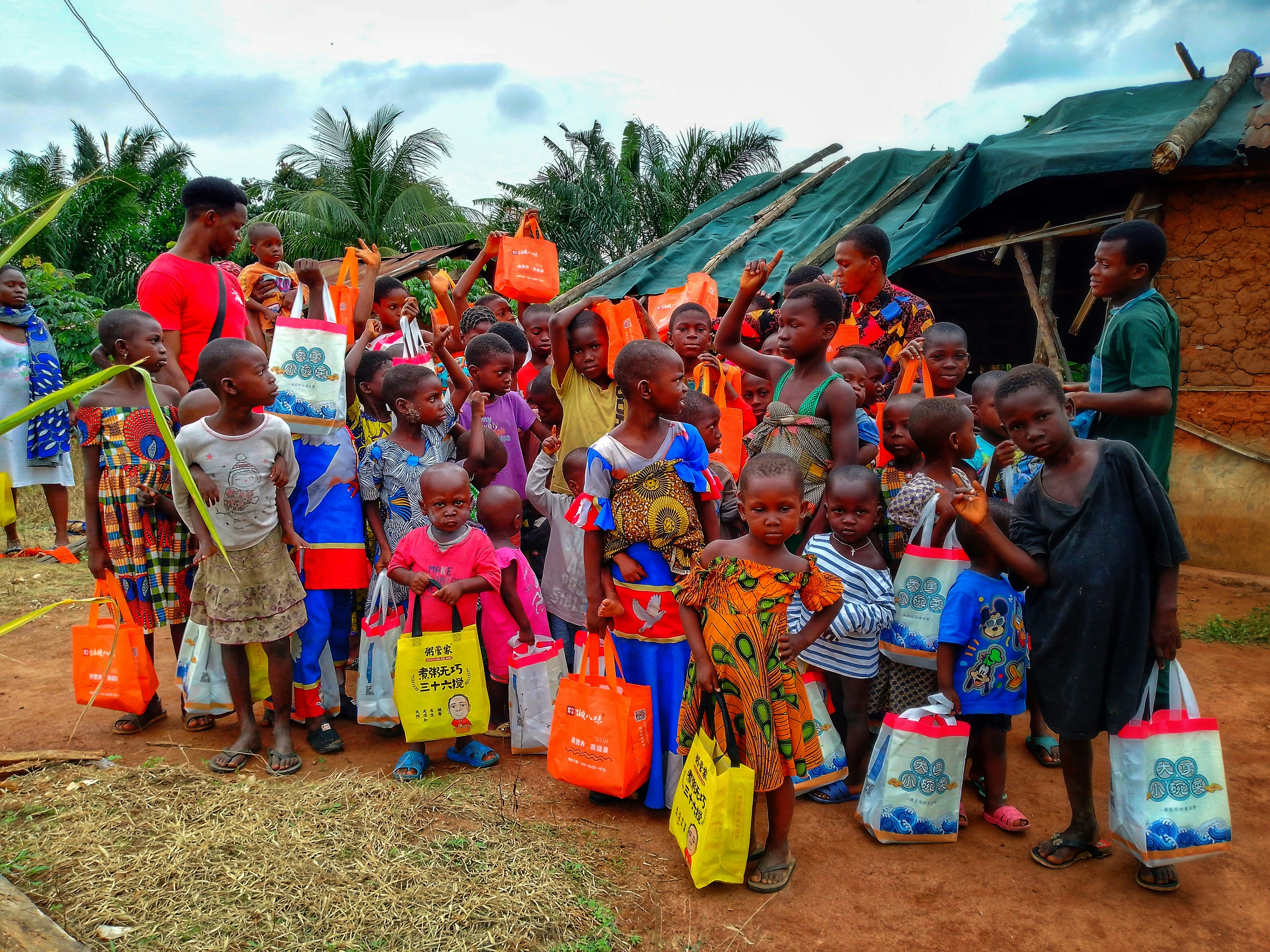
Understanding the Educational Landscape in East Africa
The educational landscape in East Africa is characterized by a multitude of challenges that significantly hinder children’s access to quality education. One prominent issue is the lack of infrastructure. Many schools are inadequately built or even non-existent in remote areas, making it difficult for children to attend classes. These infrastructural deficits are coupled with insufficient educational resources, including textbooks, teaching materials, and qualified educators. Consequently, students often receive a subpar education, exacerbating the problem of illiteracy within the region.
Cultural barriers also play a crucial role in shaping educational access. In some communities, traditional beliefs may prioritize labor over education, particularly for girls. This leads to higher dropout rates as families may choose to employ children rather than invest in their schooling. Additionally, socio-economic factors significantly impact educational opportunities. Children from impoverished backgrounds are less likely to enroll in school, as families may struggle to afford the costs associated with education, such as uniforms and transportation.
The disparities between urban and rural educational opportunities are striking. In urban areas, despite facing their own challenges, schools tend to have better facilities, more qualified teachers, and a wider range of educational programs. Conversely, children in rural settings often encounter educational environments that lack basic amenities, such as adequate classrooms, access to clean drinking water, and functioning sanitation facilities. These variances create a significant educational divide within countries in East Africa, undermining the potential for equal educational opportunities.
In light of these challenges, various educational models have emerged in the region, including community-based schools and non-governmental organization-sponsored programs. Despite their importance, these initiatives are not universally available and depend heavily on local contexts. Bridging the gap in educational access remains a critical focus for policy-makers and community leaders, aiming to ensure that all children in East Africa can pursue their right to education.
The Role of NGOs and Community Initiatives
Non-governmental organizations (NGOs) and community-driven initiatives play a critical role in improving educational access in East Africa. These organizations often bridge the gap between governmental efforts and the immediate educational needs of local communities, providing innovative solutions tailored to regional challenges. By focusing on literacy, vocational training, and gender equality, NGOs foster an inclusive educational environment that benefits all children.
One effective case study is the work of an NGO that implemented a mobile library program in rural areas, where access to educational resources is scarce. This initiative not only promotes reading among children but also ignites a passion for learning that can last a lifetime. Additionally, vocational training programs established by NGOs have equipped older children and adolescents with essential skills, allowing them to contribute economically to their families and communities while emphasizing the importance of continued education.
Gender equality in education remains a significant challenge in East Africa, yet various NGOs have made strides in addressing these disparities. Programs that provide scholarships specifically for girls, along with community awareness campaigns, have succeeded in increasing female enrollment in schools. By targeting societal norms that discourage girls from pursuing education, these initiatives cultivate a more equitable learning environment.
Collaboration is vital for the success of educational initiatives. NGOs often partner with governments and local communities to create sustainable educational frameworks. This synergy not only enhances resource allocation but also ensures that programs are culturally relevant and widely accepted. By involving local stakeholders, these collaborations foster a sense of ownership, encouraging community support and long-term commitment to educational improvement.
Through their dedicated efforts, NGOs and community initiatives are significantly impacting educational access in East Africa, demonstrating the power of collective action in addressing sociocultural barriers and promoting opportunities for all children.
Innovative Approaches to Learning and Teaching
The educational landscape in East Africa is witnessing a significant transformation as innovative teaching methods and learning approaches are being embraced to enhance children’s educational experiences. One of the pivotal elements driving this change is the integration of technology in the classroom. Schools are increasingly utilizing digital tools and resources, which not only facilitate interactive learning but also broaden access to educational materials. For instance, tablets and smartphones equipped with educational applications enable teachers to present lessons in a more engaging and dynamic manner, fostering a vibrant learning environment.
Moreover, mobile education solutions are proving to be instrumental in reaching remote and underserved communities. These solutions, including SMS-based learning platforms and mobile apps, provide flexible opportunities for children to learn outside conventional classroom settings. By leveraging mobile technology, educators can deliver tailored lessons and encourage continuous engagement with the learning process. This approach is vital for students in isolated areas, where traditional schooling may not be easily accessible.
Community-based learning programs are another innovative strategy gaining traction in East Africa. These programs often involve collaboration between local organizations, educators, and families, ensuring that learning is rooted in the community’s cultural context. Such initiatives not only utilize local knowledge but also create an inclusive atmosphere where children’s experiences and backgrounds are valued. This alignment with culturally relevant curricula is essential, as it allows educators to tailor content to be more adaptable and relatable to children’s lived experiences. As a result, students demonstrate enhanced engagement and retention, ultimately leading to improved educational outcomes.
Overall, the innovative approaches employed in East African education are reshaping the way children learn, fostering an environment that values technology, community involvement, and culturally relevant teaching methods.
How You Can Help: Supporting Education in East Africa
Supporting education in East Africa is crucial in addressing the ongoing challenges faced by children in this region. Individuals looking to make a difference can explore various avenues to contribute, each playing a vital role in empowering the future of these communities. One of the most direct ways to get involved is by donating to reputable organizations focused on educational support. Numerous nonprofits are dedicated to improving educational facilities, providing training for teachers, and ensuring that schools have the necessary resources to create an effective learning environment.
For those who prefer a hands-on approach, volunteering offers a unique opportunity to engage and contribute meaningfully. Many organizations welcome volunteers to assist in classrooms, develop educational programs, or help with administrative tasks. This creates a valuable exchange of knowledge and fosters a deeper understanding of the local culture and the specific educational needs of the children. Moreover, volunteering not only benefits the children but also enriches the experiences of the volunteers themselves.
Another impactful way to support education in East Africa is through advocacy and raising awareness. Educating your friends, family, and social networks about the challenges faced by children in this region can play a vital role in fostering support. Sharing success stories and the importance of access to quality education can inspire others to get involved, creating a ripple effect of engagement and support.
Lastly, consider advocating for policies that enhance educational opportunities at a local or national level. By contacting your representatives and supporting initiatives that aim to provide educational resources and infrastructure in East Africa, you can play a significant role in shaping the future of education in the region. Every action counts, and together, we can create transformative change that makes education universally accessible for children in East Africa.