
Programs
Why partnership outlasts a grant cycle
1 February 2026 · 5 min read
Programs
Local teachers, elders, and alumni do the work that an external panel can’t. Here’s how nomination actually moves.
Umutoni Tessy Mercy · 2 April 2026 · 5 min read
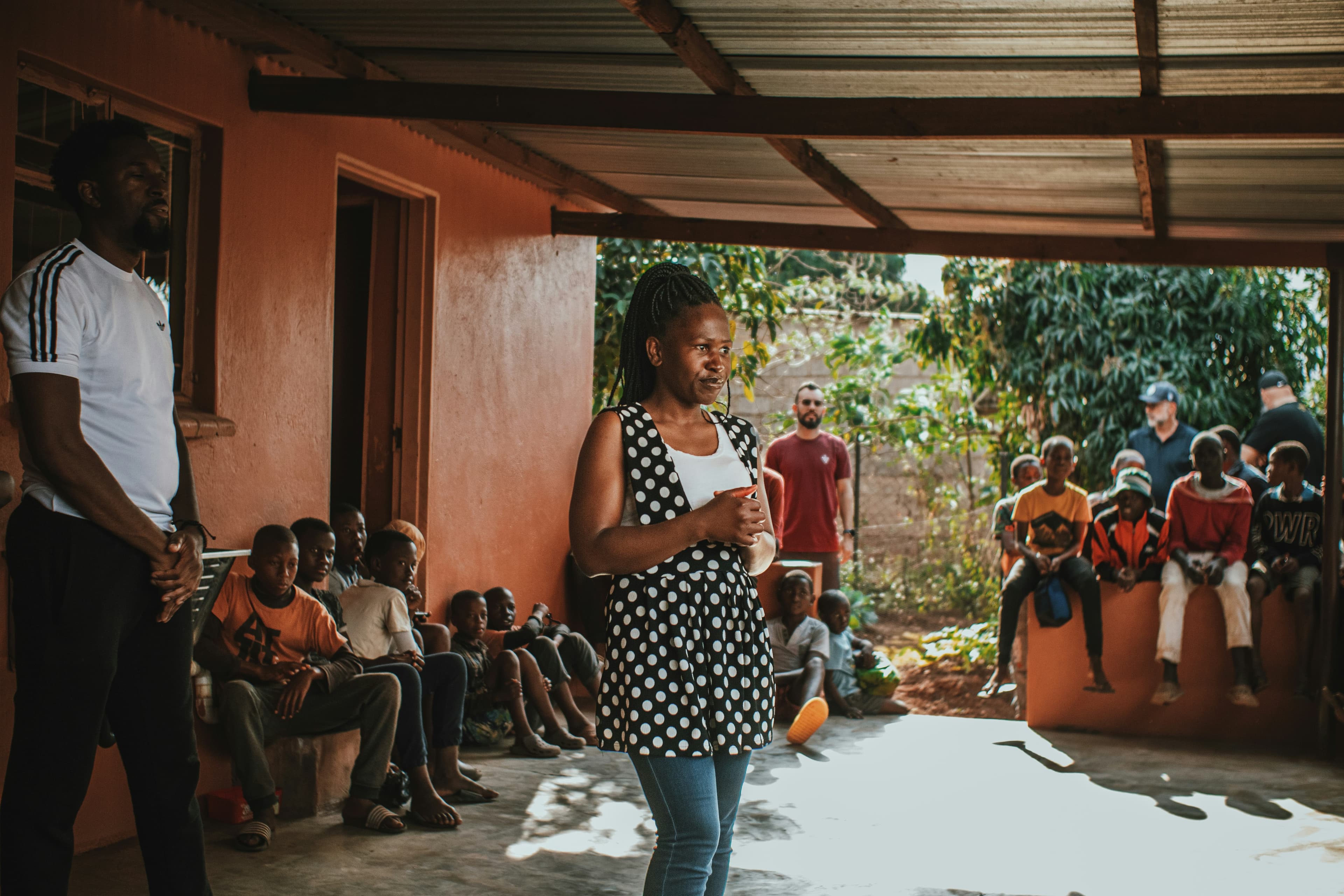
Most foundation scholarships work top-down: an external panel reads applications and picks winners. The model is efficient on paper. It’s also blind to the kind of context that decides who’s actually ready.
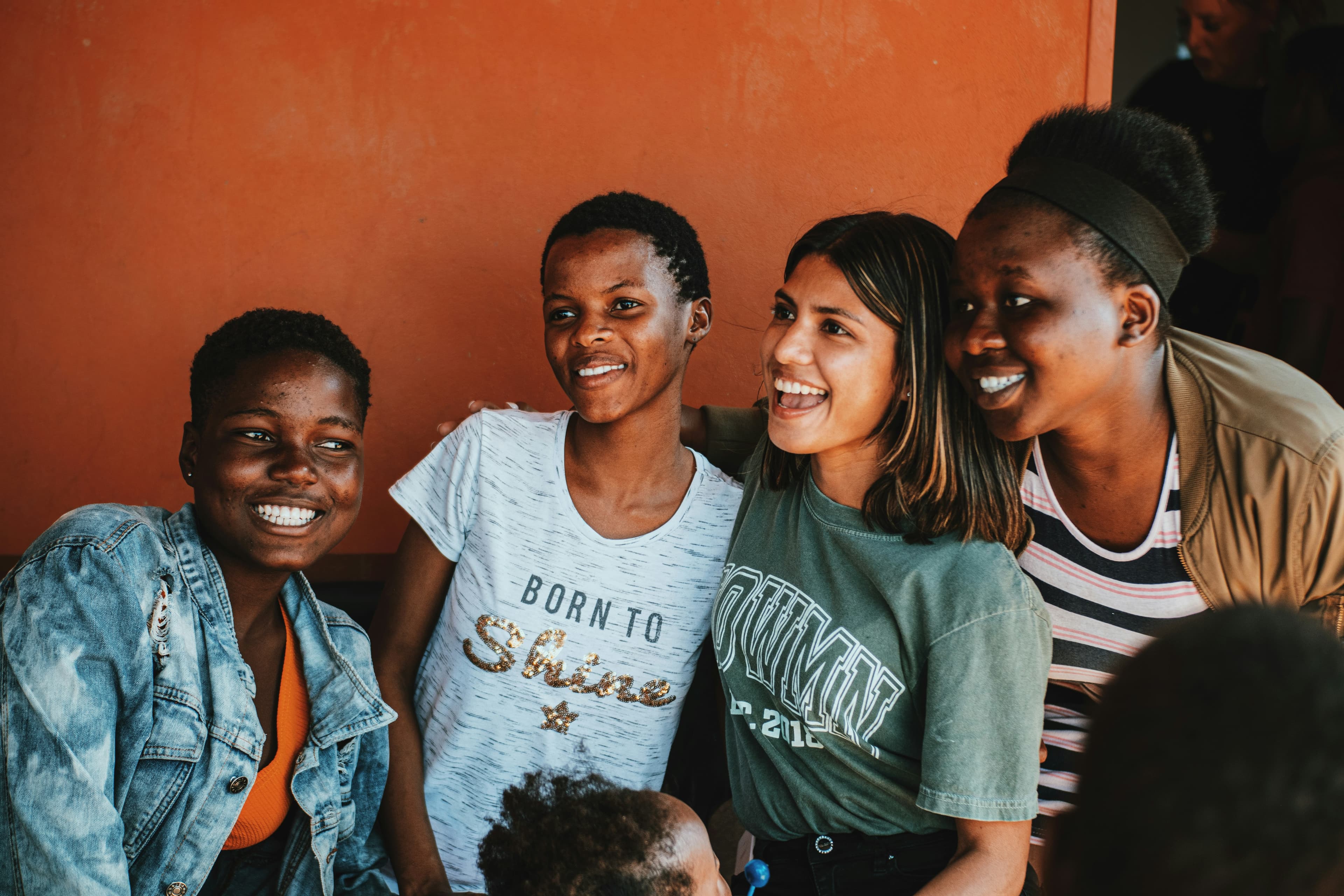
We invert it. At Umoja, every scholar is nominated by the people closest to them, their teacher, the head of their school, an alumna in their district. The nomination is the work. Local partners know who’s been waking up at 4 a.m. to walk to school, who’s been carrying their younger siblings through a hard year, who’s quietly become the student the others come to for help.
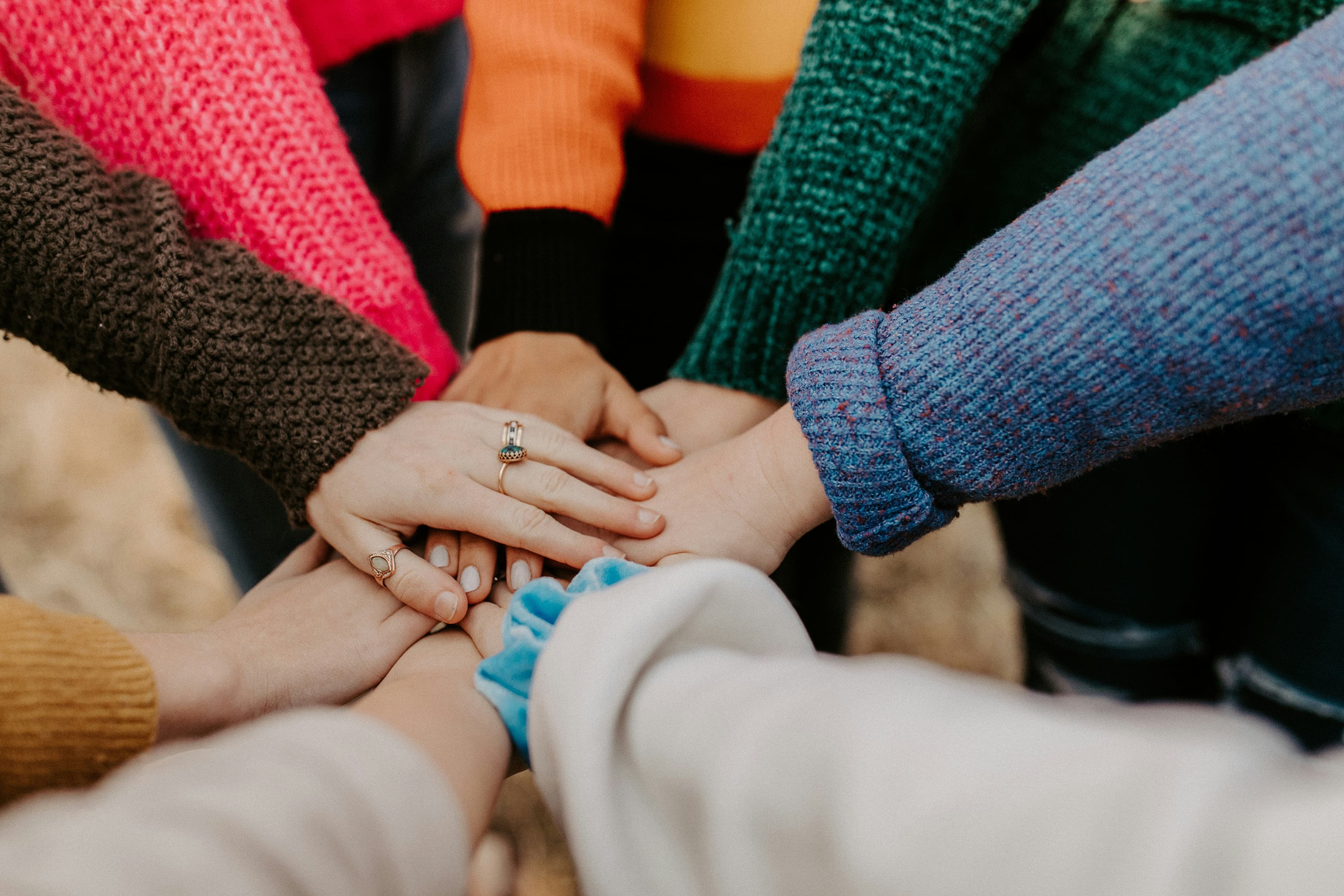
The interview panel doesn’t pick the readiest candidate from a stack of files. It confirms what the community already knows. That changes the relationship from day one: the program isn’t gifting a scholarship; it’s backing a decision the community already made. Five years later, the alumni from that scholarship sit on the next panel.
About the author
Co-founder
A former beneficiary of educational grants, Tessy understood firsthand how a single hand extended at the right moment can change a life. She co-founded Umoja with Baka in June 2021.
Posts like this one come out of the same field visits and partner reviews that inform every scholarship. Donate to fund the next cohort.